We accept orders year-round.
Your order will ship within next 7-14 days or requested date.
For more information see the Ordering & Shipping section below.
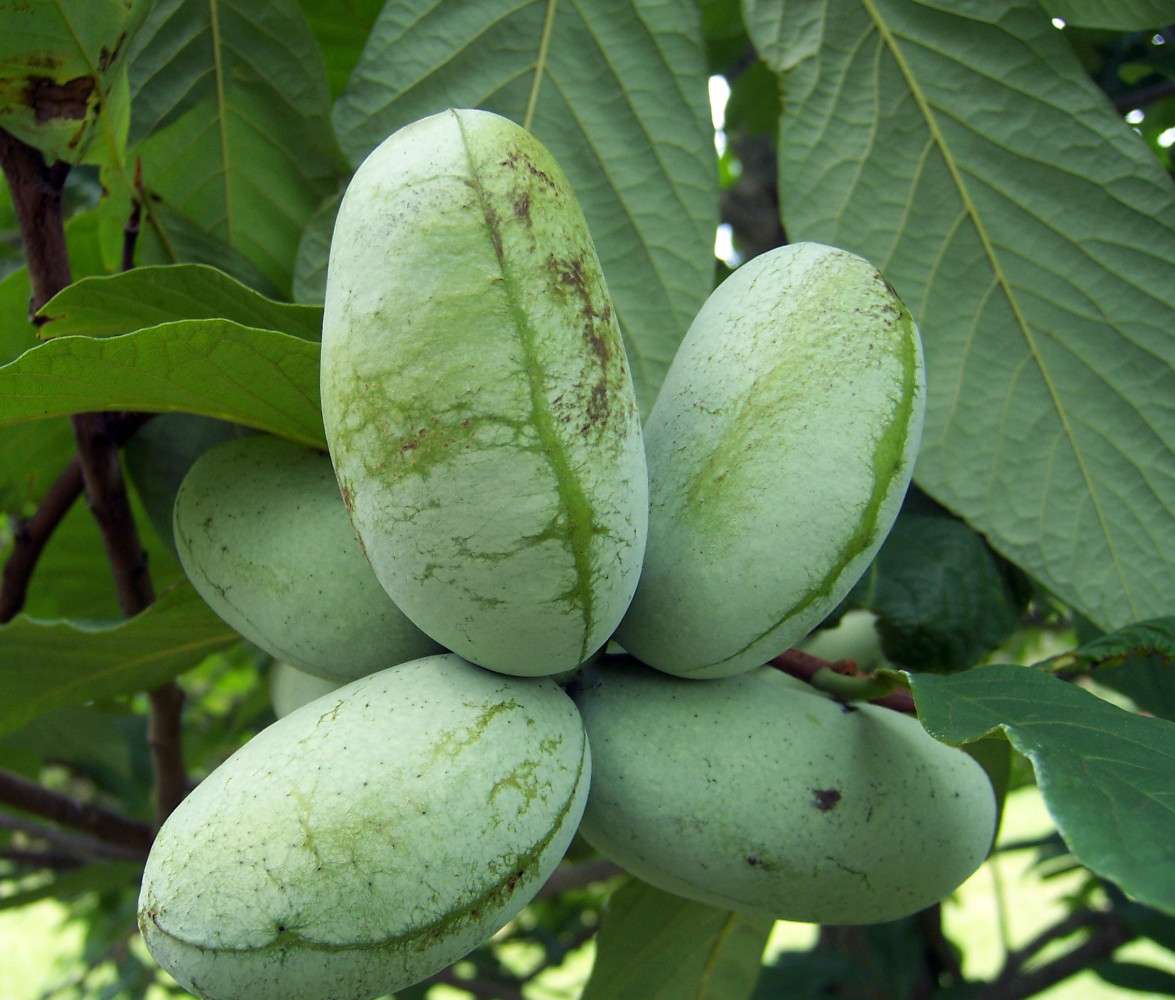
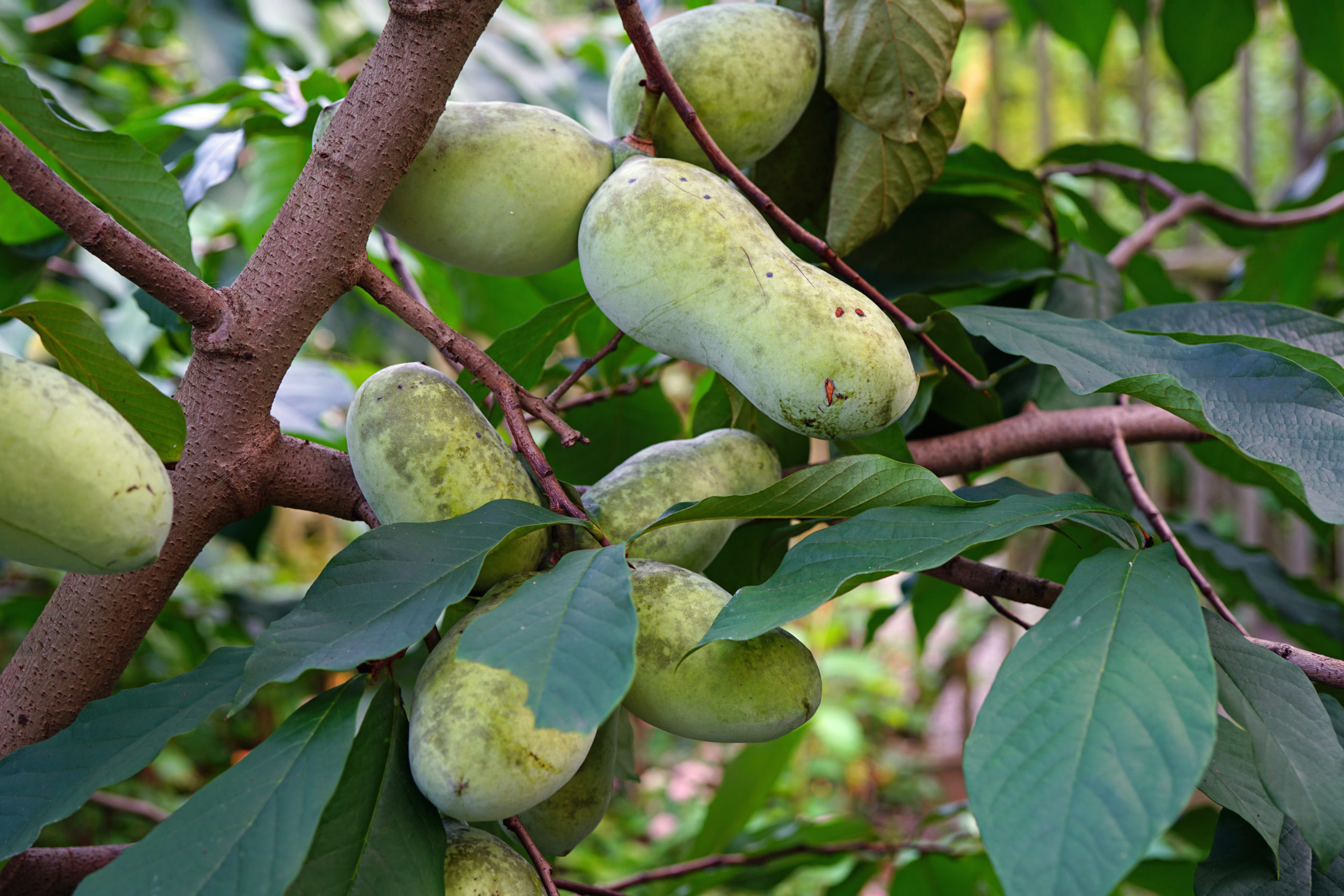
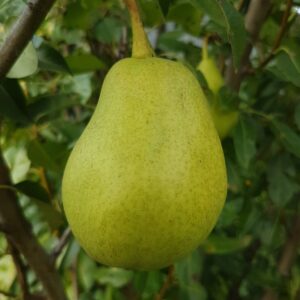
The Paw Paw (Asimina triloba) is the largest edible fruit native to the United States, long treasured by early explorers, homesteaders, and modern foragers alike. Its unique 3–6 inch long pods hold a yellow, custard-like flesh bursting with rich banana, mango, and citrus flavors—a truly tropical taste grown right in North America. As a small understory tree, Paw Paw thrives in partial shade, yet produces its heaviest crops in full sun, making it an exceptional addition to food plots, edible forests, backyard orchards, and habitat plantings from the Panhandle to the Great Lakes.
The tree features striking, large maroon flowers in spring that draw in pollinators, followed by fruit enjoyed by foxes, raccoons, squirrels, and other small mammals. While the fruit is beloved by wildlife and adventurous eaters, it’s worth noting that some individuals may experience mild stomach upset—a common characteristic of this native fruit.
One of the Paw Paw’s most valuable traits for land managers is its strong deer resistance. Whitetail deer rarely browse its leaves, making Paw Paw a natural solution for food plots, especially where protecting young trees is challenging. Instead of heavy caging or fencing, Paw Paw allows growers to attract pollinators and wildlife without worrying about deer damage, all while thriving across a remarkably wide climatic range.
We grow our Paw Paw trees from seed, this way you are able to plant 2 of our Paw Paw trees and they will cross pollinate.
| Height |
30' - 40' |
| Spread |
35' - 40' |
| Tree Form |
Modified Leader |
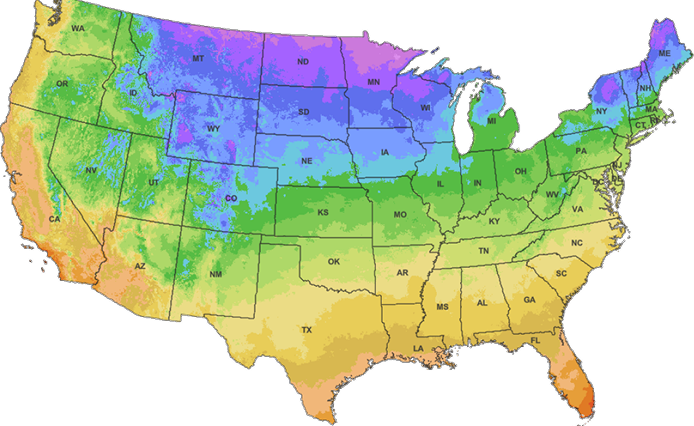
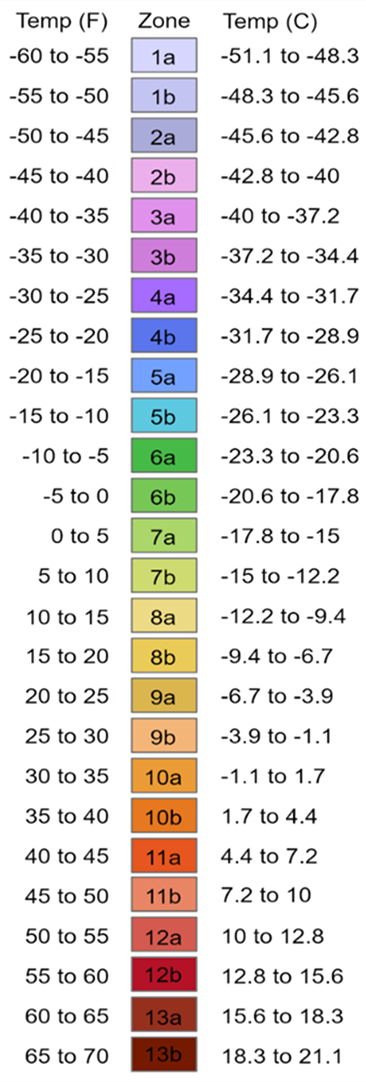
| USDA Zone |
5A - 9 |
| Blooms |
Spring |
| Drops Fruit or Nuts |
August - October |
| Soil |
Moist, fertile soil, slightly acidic. Soil must be well-drained. |
| Soil pH |
5.5 - 7.0 |
| Light requirements |
Shade-tolerant understory tree |