We accept orders year-round.
Your order will ship within next 7-14 days or requested date.
For more information see the Ordering & Shipping section below.
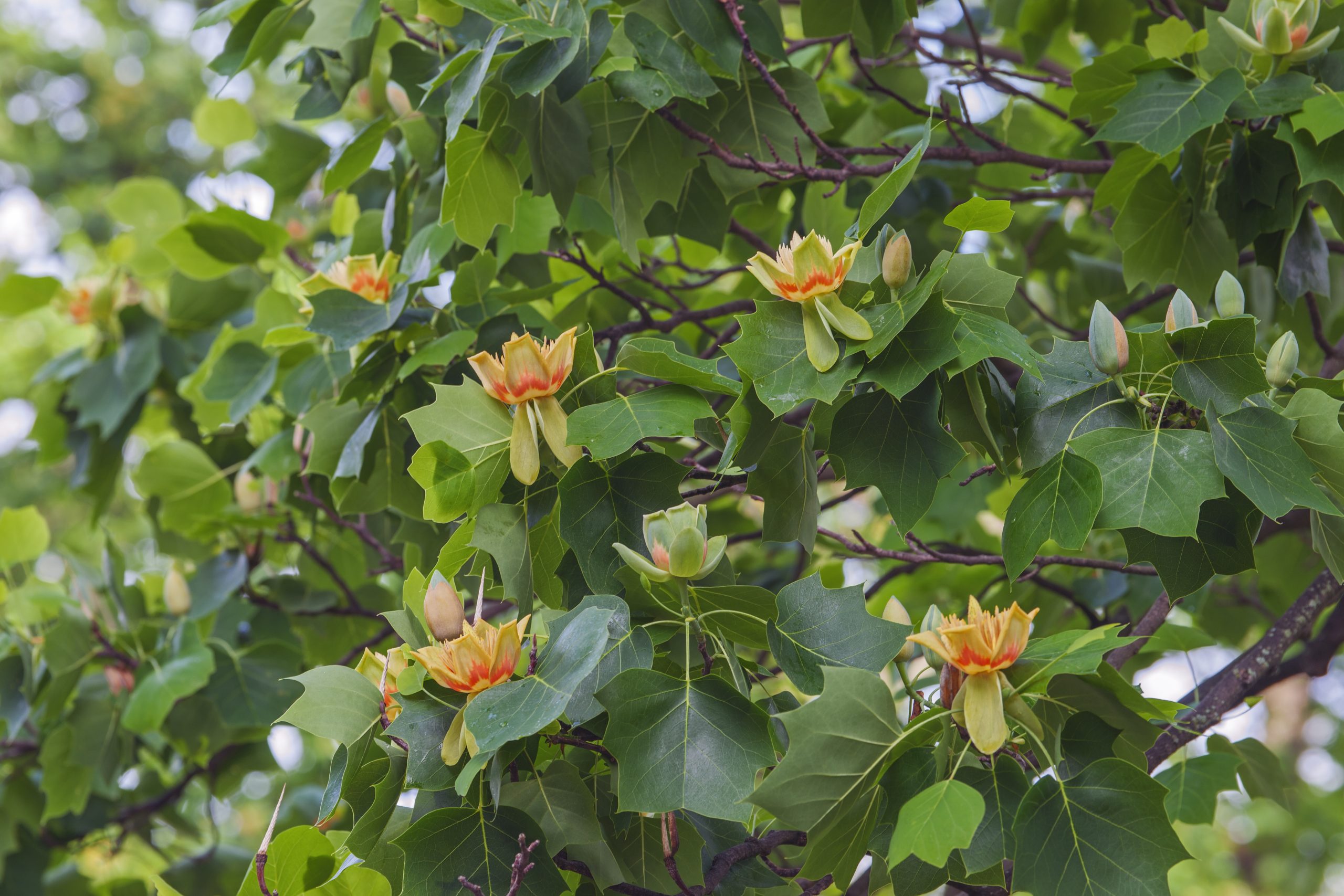
The Tulip Poplar (Liriodendron tulipifera), also known as Yellow Poplar or Tuliptree, is a towering native hardwood tree prized for its rapid growth, straight form, and exceptional value to pollinators and wildlife. In late spring, Tulip Poplar produces distinctive tulip-shaped greenish-yellow flowers rich in nectar—an essential food source for hummingbirds, bees, and other pollinators during peak bloom.
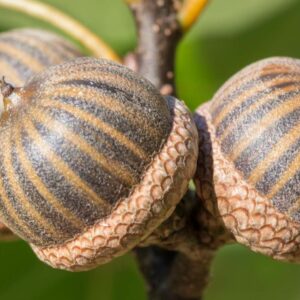
As summer progresses, the tree sets winged seeds that mature in late summer and persist into winter, providing a dependable food source for a wide range of wildlife. Deer, finches, cardinals, quail, mice, red and gray squirrels, and rabbits all rely on Tulip Poplar for seasonal nutrition, while its massive canopy offers shelter and nesting habitat. With its tall, stately habit and broad leaves, Tulip Poplar also delivers excellent shade, wind protection, and landscape presence on large properties, food plots, and restoration sites.
Highly adaptable and long-lived, the Tulip Poplar Tree thrives across much of the eastern United States, making it a cornerstone species for habitat improvement, native landscapes, and ecological restoration. For land stewards seeking a fast-growing native tree that supports pollinators, birds, mammals, and deer, Tulip Poplar stands among the most valuable trees you can plant.
| Height |
70' - 90' |
| Spread |
40' |
| Tree Form |
Modified Leader grows at fast rate of 24" per year |
| USDA Zone |
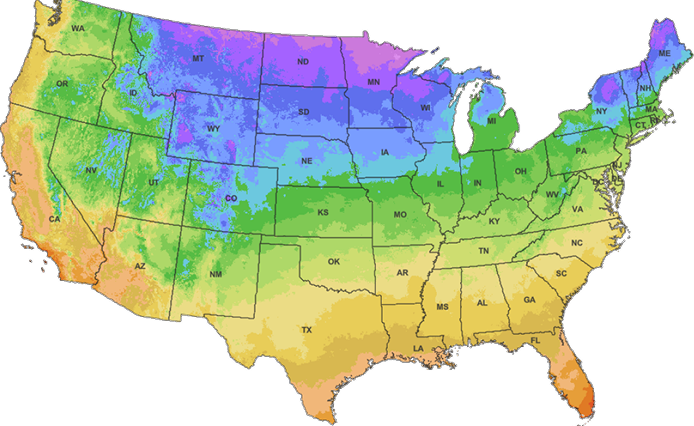
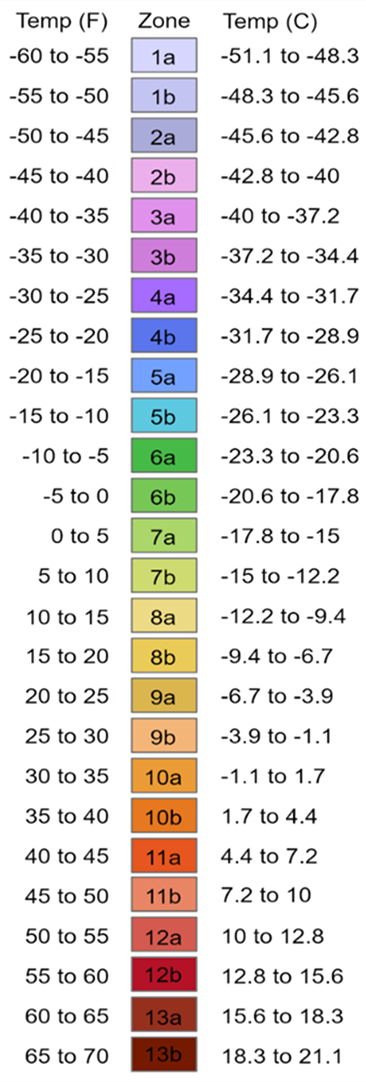
4 - 9 |
| Blooms |
May - June |
| Drops Fruit or Nuts |
Seed Pods |
| Soil |
The tulip poplar grows well in acidic, loamy, moist, sandy, well-drained and clay soils. It prefers normal moisture but can tolerate drought in humid regions. |
| Soil pH |
5.5 - 7.0 |
| Light requirements |
Full Sun |