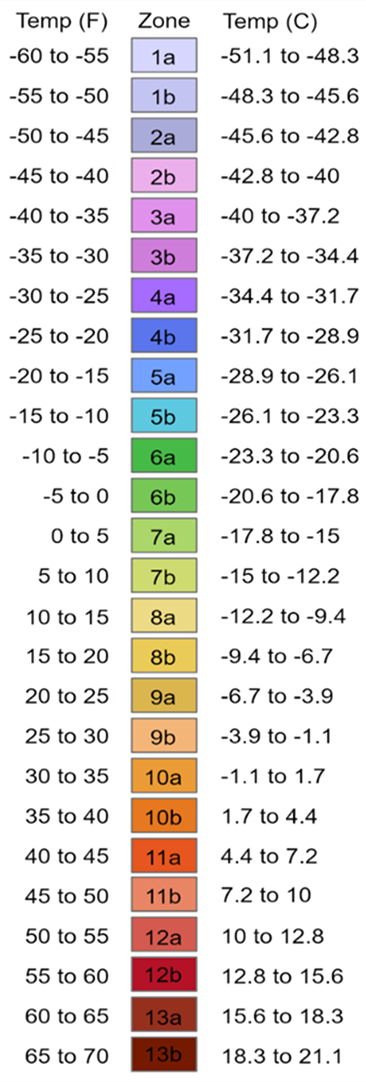
Zone Compatibility

| Height | 4–6 ft. canes (trailing or semi-trailing habit) |
| Spread | 3–5 ft. |
| Tree Form | Bush |
| USDA Zone | 7-9 |
| Blooms | Late spring |
| Drops Fruit or Nut | June - August |
| Soil | Well-drained loamy soil; slightly acidic |
| Soil pH | 5.5 - 6.5 |
| Light requirements | Full Sun |
| Pollination | Self-fertile |
| Suggested Pollinators | Each additional tree will increase pollination for better mast production |

Dorman Red Raspberry Bush
Rubus ouachita
$58.95
Zone Compatibility

| Height | 4–6 ft. canes (trailing or semi-trailing habit) |
| Spread | 3–5 ft. |
| Tree Form | Bush |
| USDA Zone | 7-9 |
| Blooms | Late spring |
| Drops Fruit or Nut | June - August |
| Soil | Well-drained loamy soil; slightly acidic |
| Soil pH | 5.5 - 6.5 |
| Light requirements | Full Sun |
| Pollination | Self-fertile |
| Suggested Pollinators | Each additional tree will increase pollination for better mast production |
We accept orders year-round.
Your order will ship within next 7-14 days or requested date.
 For more information see the Ordering & Shipping section below.
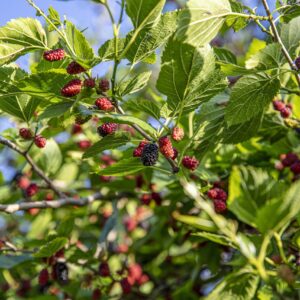
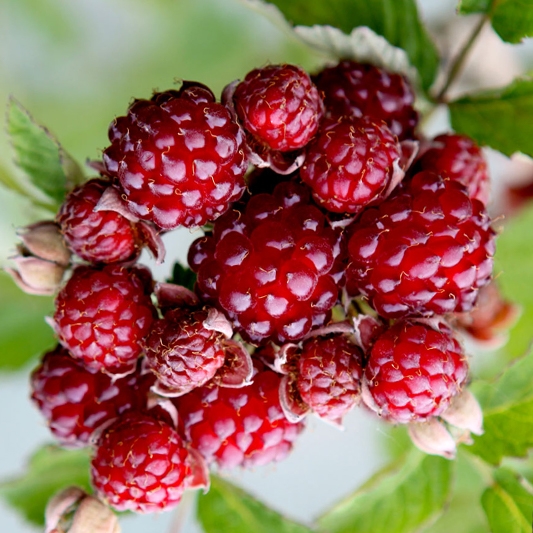
The Dorman Red Raspberry is a standout heat-tolerant raspberry variety specially suited for warm, humid climates where traditional raspberries struggle. Vigorous, productive, and dependable, this trailing raspberry thrives in the southern United States, delivering medium-sized, bright red berries with a refreshing sweet-tart flavor perfect for fresh eating, preserves, pies, cobblers, and summer desserts. Where other raspberries fail in high heat, Dorman Red keeps producing.
Growing on long, flexible canes, Dorman Red benefits from light trellising, creating a beautiful, structured addition to edible landscapes, berry rows, fences, or garden borders. Its strong disease resistance, rapid growth, and consistent yields make it an easy-care choice for gardeners who want reliable fruit without complicated maintenance. With its ability to perform in heat and humidity, Dorman Red has become one of the best raspberries for Southern growers seeking a raspberry that truly thrives in warm climates.
| Height | 4–6 ft. canes (trailing or semi-trailing habit) |
| Spread | 3–5 ft. |
| Tree Form | Bush |
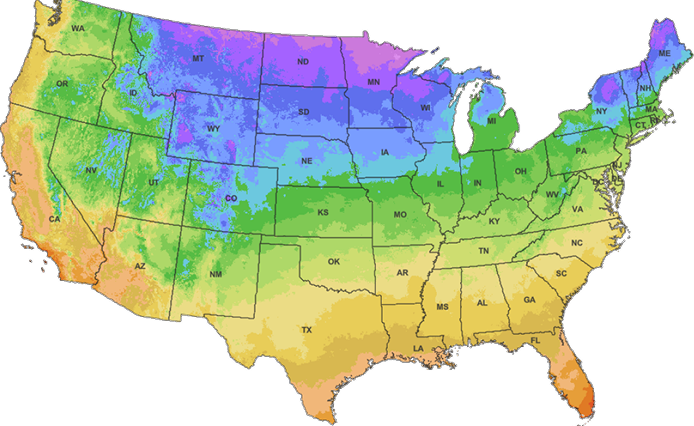
| USDA Zone | 7-9 |
| Blooms | Late spring |
| Drops Fruit or Nut | June - August |
| Soil | Well-drained loamy soil; slightly acidic |
| Soil pH | 5.5 - 6.5 |
| Light requirements | Full Sun |
| Pollination | Self-fertile |
| Suggested Pollinators | Each additional tree will increase pollination for better mast production |
| Spacing | 3–4 ft. between plants; 6–8 ft. between rows |
| Pruning | Prune spent floricanes after fruiting; tip prune primocanes to encourage branching |
| Fertilization | Do not fertilize at planting. Once the trees are established, fertilize in early spring (Mar-April) as growth begins. Do not fertilize in the fall, which could promote late season tender growth that can be damaged by early frosts. |
| Watering | Newly planted trees should be watered regularly. This is the most critical step in the establishment of your new trees. Please see the Watering section under "How to plant and grow" in our Learning Center. |
At Chestnut Hill Outdoors, we’ve been shipping mail order trees for over 30 years. We’re experts at delivering healthy trees to your doorstep. All of our trees are container grown in root-enhancing pots, ensuring healthy root systems and much better success upon planting.Â
For more information, visit our Ordering & Shipping Page.