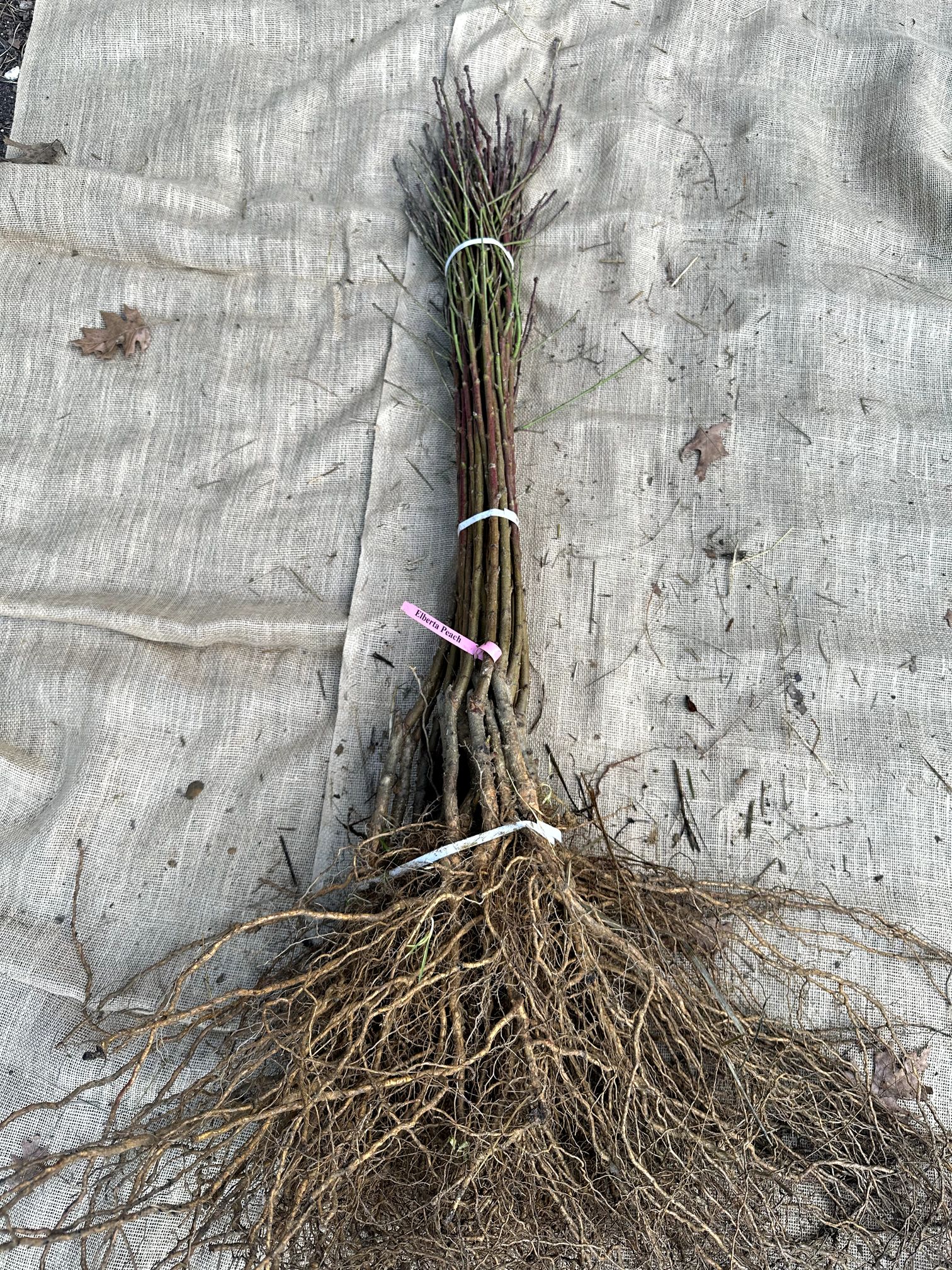
We accept orders year-round.
Your order will ship within next 7-14 days or requested date.
For more information see the Ordering & Shipping section below.
The Elberta Peach is one of the most famous freestone peach trees in the United States, cherished for its exceptional fruit quality, heavy production, and classic Southern flavor. Introduced in 1870 in Marshallville, Georgia, by Samuel H. Rumph and named for his wife Clara Elberta Moore, this iconic heirloom peach variety remains a top choice for home orchards, backyard growers, and small farms nationwide.
Elberta Peach trees produce large, juicy yellow peaches with a rich, sweet flavor and firm, melting flesh that softens beautifully as it ripens. As a freestone (melting-flesh) peach, the pit separates easily, making Elberta ideal for fresh eating, baking, canning, freezing, preserves, and cobblers. Its outstanding taste and texture have made it one of the most widely planted peach varieties in American history.
In early spring, the Elberta Peach Tree puts on a stunning show with vibrant pink blossoms, adding ornamental value while attracting pollinators to the garden. The tree is self-pollinating, but planting an additional peach nearby can increase yield and fruit size. With a chill requirement of 800 chill hours, Elberta thrives in temperate and colder regions, performing best in traditional peach-growing states where high-chill peach trees excel.
Dependable, productive, and time-tested, the Elberta Peach is a perfect choice for gardeners seeking a high-yielding, classic, cold-hardy peach tree with exceptional all-around fruit quality.
Required Chill Hours: 800
| Height |
15' - 20' (Standard Size) |
| Spread |
15' - 20' |
| Tree Form |
Rounded crown with upwardly-reaching branches |
| USDA Zone |
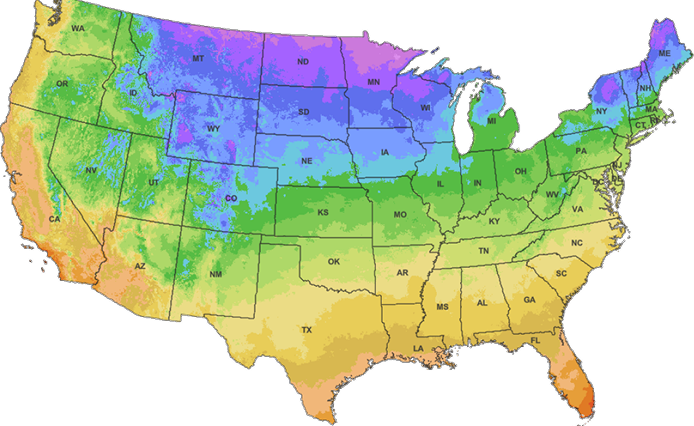
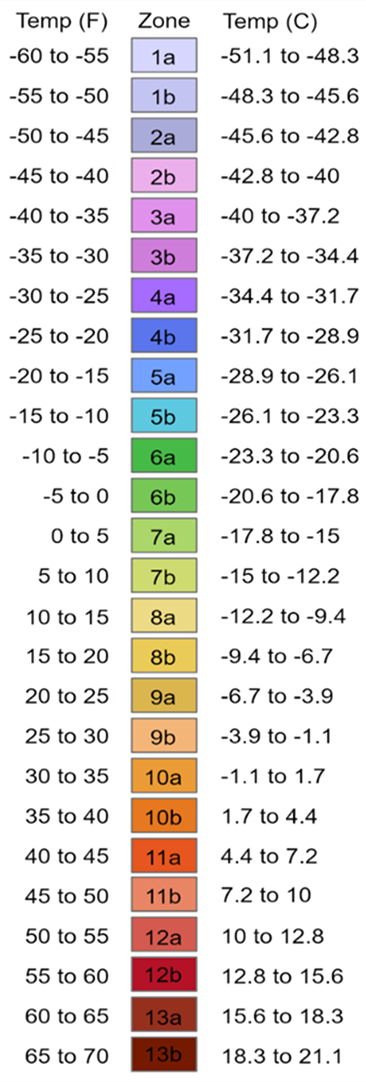
5-8 |
| Blooms |
March - April |
| Drops Fruit or Nuts |
Late July - August |
| Soil |
Adapted to upland, well drained, sandy clay or loam |
| Soil pH |
6.0 - 7.0 |
| Light requirements |
Full Sun |
| Pollination |
Self-fertile, grafted. Each additional tree will increase pollination for better mast production |