We accept orders year-round.
Your order will ship within next 7-14 days or requested date.
For more information see the Ordering & Shipping section below.
The American Sycamore (Platanus occidentalis) is one of North America’s most impressive native shade trees, renowned for its rapid growth, enormous mature size, and unmistakable mottled, exfoliating bark. Its large, maple-like leaves create deep, cooling shade throughout summer, while the peeling bark reveals striking patches of white, gray, and olive green, delivering bold visual interest in every season.
Highly adaptable and resilient, the American Sycamore thrives in a wide range of soil conditions and excels in moist, low-lying sites, creek banks, floodplains, and riparian corridors where few other large trees perform as well. This makes it a top choice for parks, estates, restoration projects, and expansive landscapes that can accommodate its commanding presence. In spring, subtle flowers give way to distinctive round seed balls that persist into winter, providing ornamental texture and wildlife value for birds and small mammals.
Long-lived, tough, and deeply rooted in North American ecosystems, the American Sycamore Tree is ideal for land stewards seeking a fast-growing, native, high-impact shade tree that combines ecological function with dramatic landscape character.
| Height |
75' - 100' |
| Spread |
60' - 80' |
| Tree Form |
Central Leader |
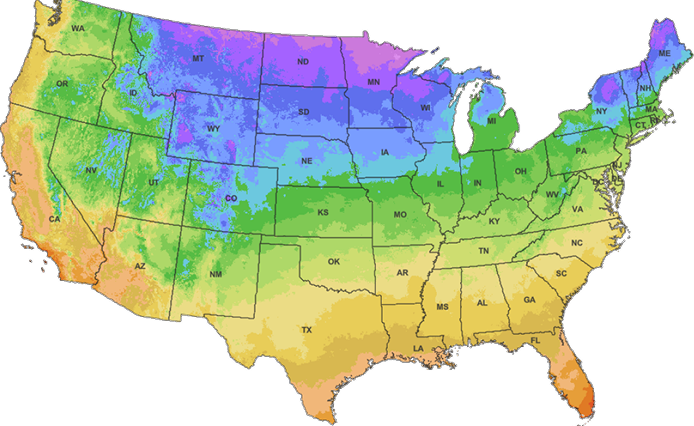
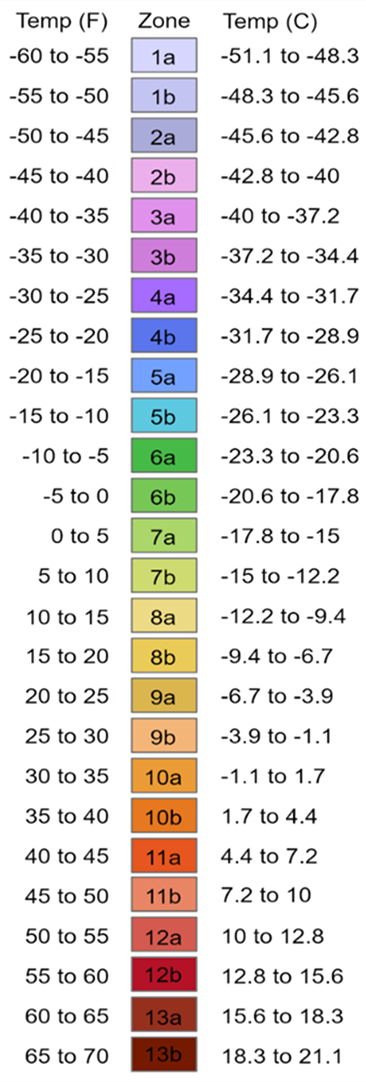
| USDA Zone |
4 - 9 |
| Blooms |
Spring (inconspicuous flowers) |
| Drops Nuts |
Late summer to fall; seed balls persist into winter |
| Soil |
Prefers deep, moist, well-drained soil |
| Soil pH |
6.0 - 7.5 |
| Light Requirements |
Full Sun |
| Pollination |
Wind-pollinated; no pollinator required |