We accept orders year-round.
Your order will ship within next 7-14 days or requested date.
For more information see the Ordering & Shipping section below.
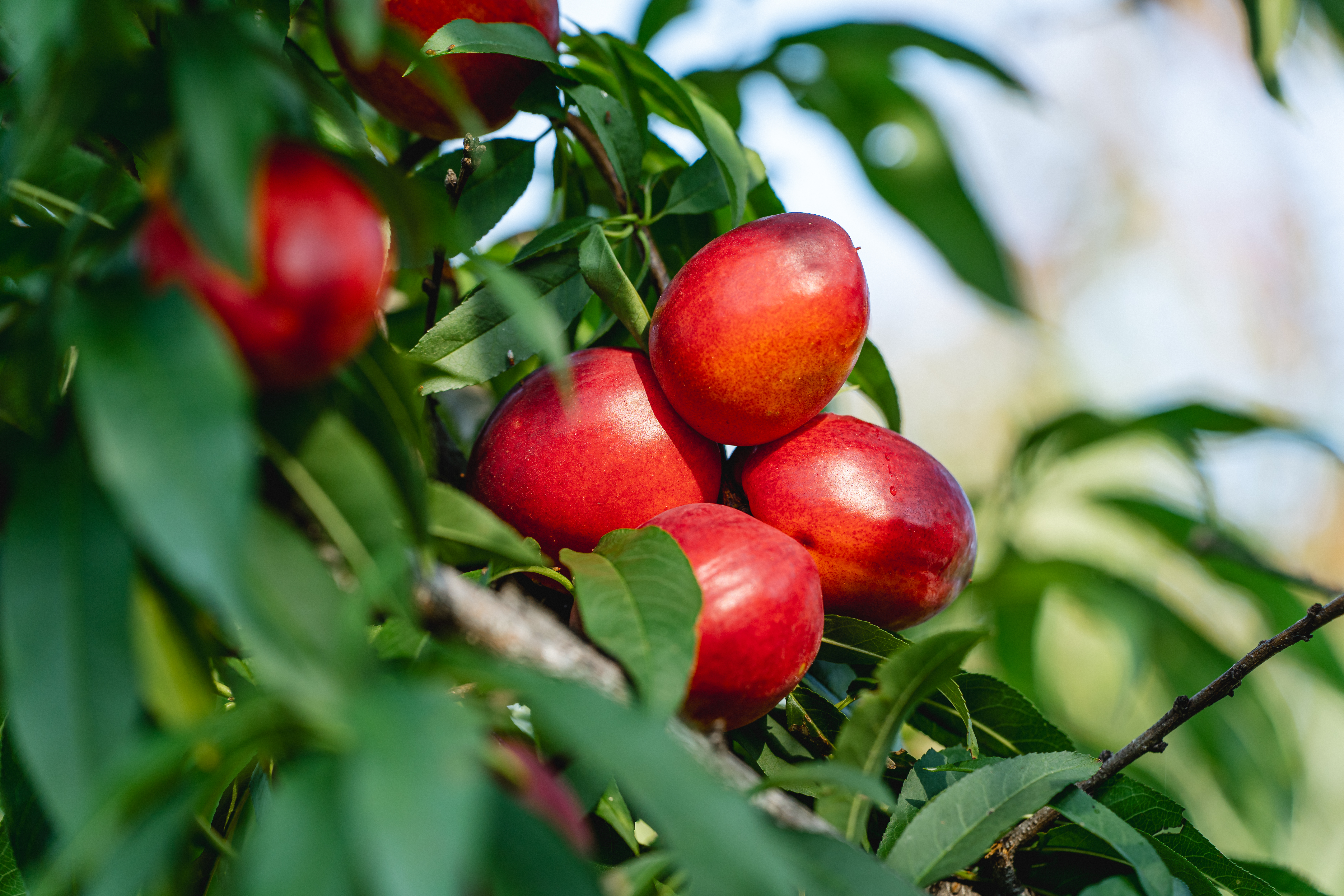
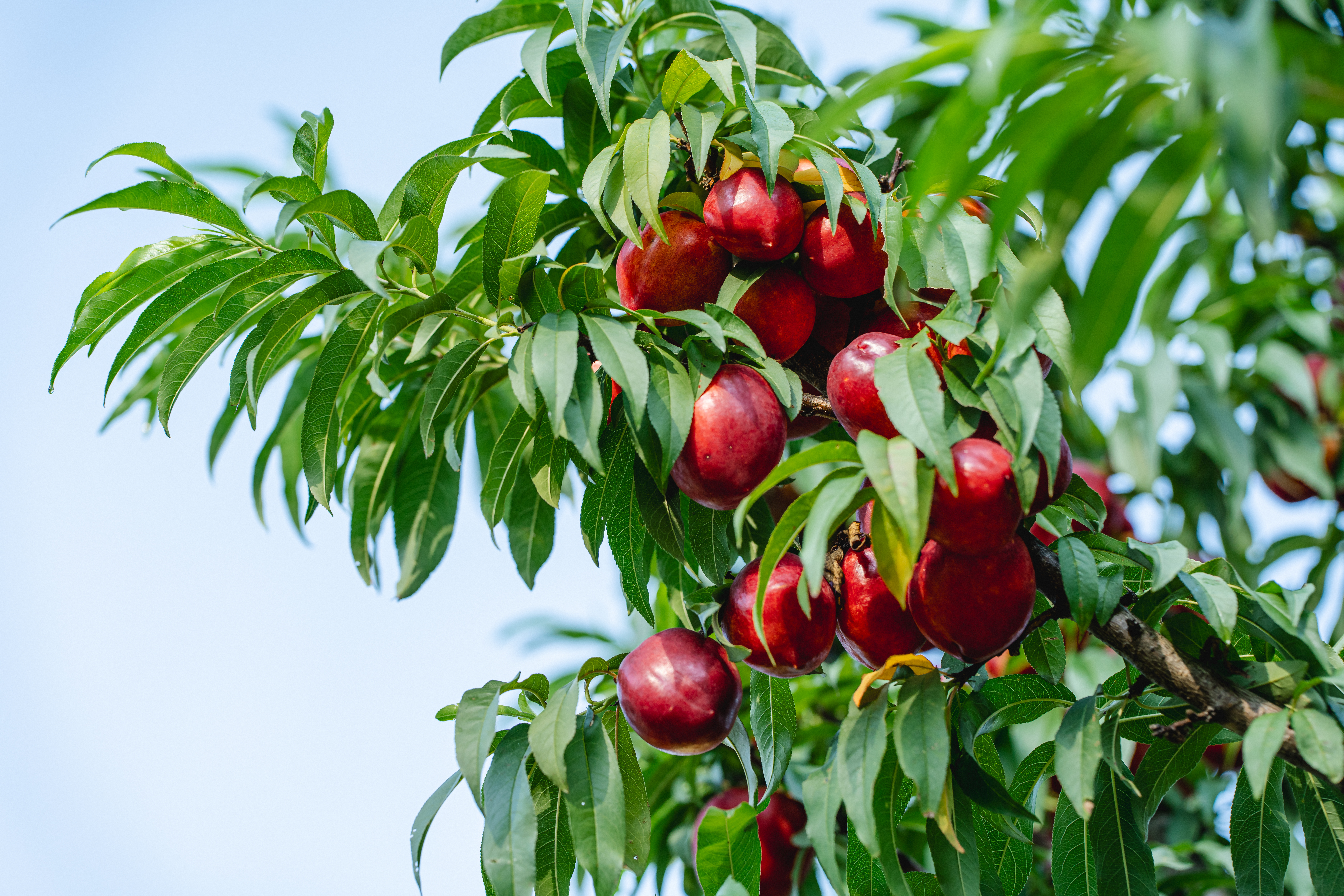
The Sunraycer Nectarine (Prunus persica var. nucipersica ‘Sunraycer’) is a standout low-chill nectarine tree prized for its early harvest, dependable production, and outstanding flavor in warm-winter climates. Requiring just 250–300 chill hours, Sunraycer is an excellent choice for Southern orchards, backyard growers, and mild-winter regions where traditional nectarines struggle. Its smooth golden-yellow skin with a bright red blush surrounds juicy, aromatic flesh with a sweet, balanced tang—perfect for fresh eating, baking, grilling, and preserves.
Sunraycer produces medium to large, freestone nectarines, making harvest and kitchen prep easy and efficient. The tree is a vigorous, reliable grower with a naturally rounded canopy and delivers a stunning spring display of pink blossoms that attract bees and other pollinators, supporting strong fruit set. Ripening early in the season, Sunraycer allows growers to enjoy fresh nectarines weeks ahead of many standard varieties.
For gardeners seeking a high-quality, early-ripening, low-chill nectarine tree with exceptional flavor and ornamental appeal, the Sunraycer Nectarine is a proven performer that brings both beauty and bounty to the home orchard.
Required chill hours: 250 – 300 hours
| Height |
12' - 15' |
| Spread |
12' - 15' |
| Tree Form |
Open center pruning |
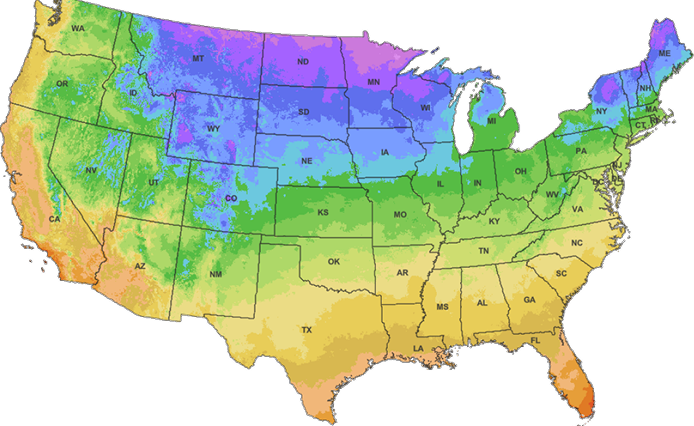
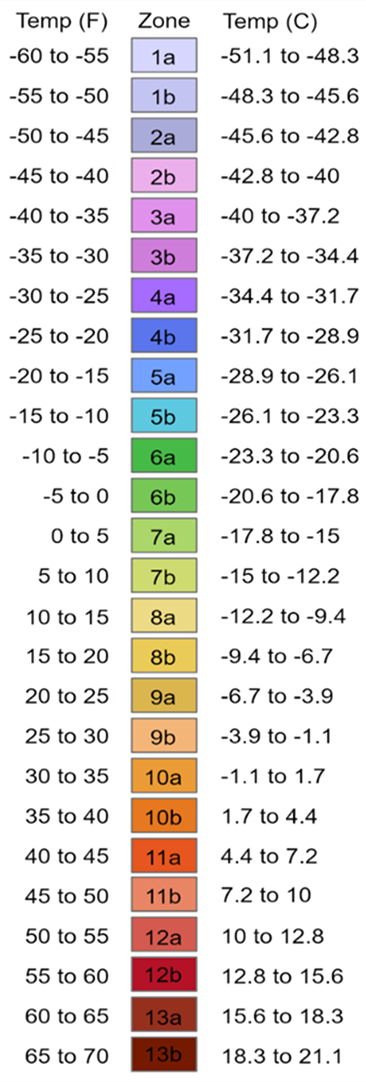
| USDA Zone |
6-9 |
| Blooms |
Early spring |
| Drops Fruit or Nuts |
Early to mid-summer |
| Soil |
Well-drained sandy loam preferred; slightly acidic to neutral |
| Soil pH |
6.0 - 7.0 |
| Light requirements |
Full Sun |
| Pollination |
Self-fertile. Each additional tree will increase pollination for better mast production |