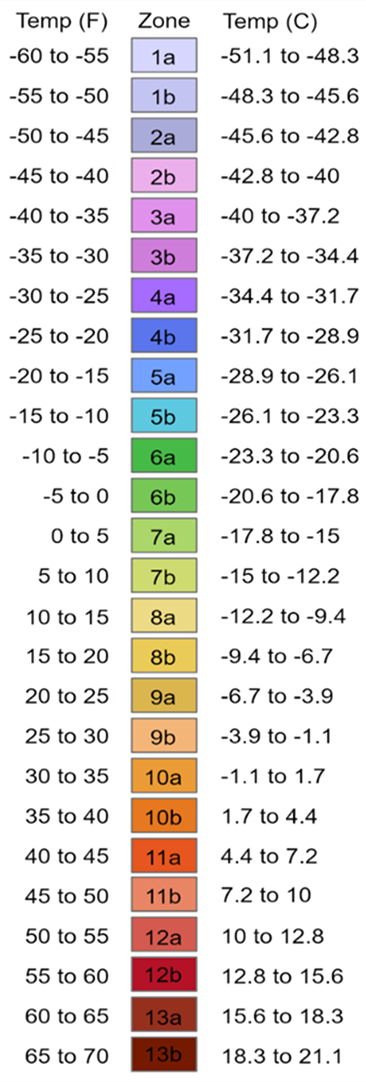
Zone Compatibility

| Height | 40'-60' |
| Spread | 50'-70' |
| Tree Form | Central Leader |
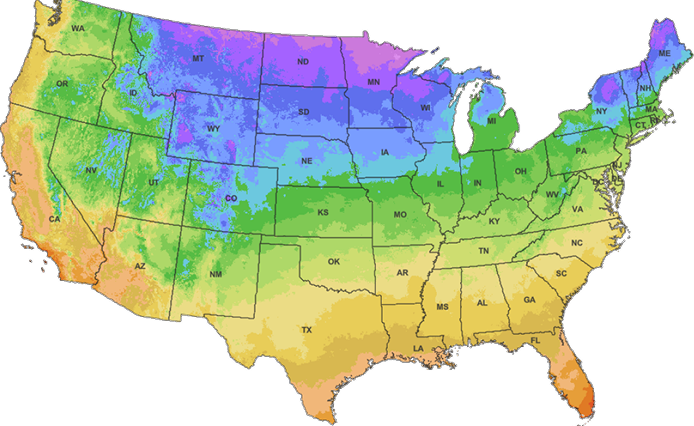
| USDA Zone | 4 - 8 |
| Blooms | April to May Nuts ripen in October |
| Drops Nuts | September - November |
| Soil | Sandy, clay, rocky, moist - dry, well drained. |
| Soil pH | 7.0 or more |
| Light Requirements | Full sun to semi-shade |
| Pollination | Self-pollinating, plant with multiple or with other Oaks for improved pollination |
| Suggested Pollinators | White Oak, Swamp White Oak, Sawtooth Oak |

Chinkapin Oak Tree
Quercus muehlenbergii
$29.95
Zone Compatibility

| Height | 40'-60' |
| Spread | 50'-70' |
| Tree Form | Central Leader |
| USDA Zone | 4 - 8 |
| Blooms | April to May Nuts ripen in October |
| Drops Nuts | September - November |
| Soil | Sandy, clay, rocky, moist - dry, well drained. |
| Soil pH | 7.0 or more |
| Light Requirements | Full sun to semi-shade |
| Pollination | Self-pollinating, plant with multiple or with other Oaks for improved pollination |
| Suggested Pollinators | White Oak, Swamp White Oak, Sawtooth Oak |
We accept orders year-round.
Your order will ship within next 7-14 days or requested date.
For more information see the Ordering & Shipping section below.
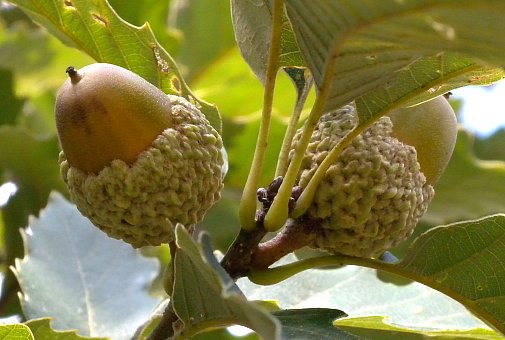
The Chinkapin Oak (Quercus muehlenbergii) is a striking native North American oak tree prized for its adaptability, durability, and refined ornamental appeal. This medium to large deciduous shade tree develops an open, rounded canopy and distinctive toothed, chestnut-like leaves that turn golden yellow to warm brown in fall, bringing understated elegance to yards, parks, streetscapes, and large landscapes.
Exceptionally tough and long-lived, Chinkapin Oak thrives where many trees fail—excelling in dry, rocky, limestone, and alkaline soils (pH above 7.0). Naturally drought tolerant, low maintenance, and highly adaptable to urban conditions, it’s an ideal choice for homeowners and landscapers seeking a reliable, eco-friendly shade tree with minimal input and maximum longevity.
Beyond its beauty, Chinkapin Oak delivers real wildlife value. It produces small, sweet acorns that are eagerly consumed by deer, squirrels, and birds, often beginning as early as 3–5 years of age—much sooner than many oak species. Its strong, disease-resistant wood and resilience make it a smart, sustainable investment for generations.
For land stewards looking for a native oak that combines early acorn production, alkaline-soil tolerance, and refined landscape character, the Chinkapin Oak stands among the very best choices available.
| Height | 40'-60' |
| Spread | 50'-70' |
| Tree Form | Central Leader |
| USDA Zone | 4 - 8 |
| Blooms | April to May Nuts ripen in October |
| Drops Nuts | September - November |
| Soil | Sandy, clay, rocky, moist - dry, well drained. |
| Soil pH | 7.0 or more |
| Light Requirements | Full sun to semi-shade |
| Pollination | Self-pollinating, plant with multiple or with other Oaks for improved pollination |
| Suggested Pollinators | White Oak, Swamp White Oak, Sawtooth Oak |
| Spacing | 30'-45' |
| Pruning | Oaks require minimal pruning. Pruning consists of the removal of dead, diseased, or damaged branches, maintaining size (width) within your landscape |
| Fertilization | Do not fertilize at planting. Once the trees are established, fertilize in early spring (Mar-April) as growth begins. Do not fertilize in the fall, which could promote late season tender growth that can be damaged by early frosts. |
| Watering | Newly planted trees should be watered regularly. This is the most critical step in the establishment of your new trees. Please see the Watering section under "How to plant and grow" in our Learning Center. |
At Chestnut Hill Outdoors, we’ve been shipping mail order trees for over 30 years. We’re experts at delivering healthy trees to your doorstep. All of our trees are container grown in root-enhancing pots, ensuring healthy root systems and much better success upon planting.
For more information, visit our Ordering & Shipping Page.